
Full house and flat plastering
Full house and flatrefurbishmentsplastered throughout
Every room boarded, skimmed and finished by the same pair of hands, so the standard does not drop between the first room and the last.
5-star rated on MyBuilder (124 reviews)Free quotes, usually same day
22 years
On the trowel, time-served
5★ · 124
Verified MyBuilder reviews
£1 million
Public liability cover
1–2 years
Workmanship guarantee
Same day
Free quote turnaround
Service Overview
Whole property plastering, planned properly
A full refurbishment is a different job from a single room, and it is priced and planned differently. Rooms have to be sequenced around the other trades, drying time has to be built into the programme, and the finish has to stay consistent from the hallway to the back bedroom.
The work usually covers a mix of everything: solid walls dry lined or built out, ceilings overboarded or replaced, new stud walls boarded, old plaster stripped where it has failed, coving run where it is wanted, and every surface skimmed flat and left ready to decorate.
Because Ryan works alone, one person quotes the property, prepares it, floats it and checks it. On a whole house that matters more than on a single room, since the usual cause of an uneven job is a crew where standards vary between the person who did the lounge and the person who did upstairs.
Larger projects are more often priced on a day rate than a fixed price, simply because scope on a full property moves as walls come off and the real condition appears. That is explained upfront rather than sprung on you halfway through.
Who it is for
- Homeowners renovating a property before moving in
- Buyers taking on a dated house or flat that needs stripping back
- Landlords refurbishing a property between tenancies
- Anyone extending or reconfiguring and needing the whole place brought to one standard
When it is needed
- You have bought a property that has not been touched in decades
- Walls are coming down or going up and the layout is changing
- Every room needs plastering and you want one tradesman doing it
- The property has to be finished to a deadline for a let or a sale
- Ceilings, walls and coving all need doing as one coordinated job
The Cost Of Waiting
Where whole house jobs go wrong
The most common problem is inconsistency. Rooms plastered by different hands, at different times, with different materials, read differently under the same light. You notice it most in hallways and open plan spaces where two surfaces meet.
The second is sequencing. Plaster that goes on before first fix is finished gets chopped back into. Plaster that goes on too late holds up joiners, electricians and decorators and pushes the whole programme back. On a full property, the order of work is as important as the work.
The third is drying. A whole house of fresh plaster puts a large amount of moisture into a building. Rushed decoration over plaster that has not dried out is the single most common reason a refurbishment ends in peeling paint and an argument.
Common mistakes that make it worse
Splitting the property between crews
Different hands mean different standards. One tradesman throughout keeps the finish consistent room to room.
Plastering before first fix is complete
Cables, pipes and any structural work need to be finished, or the new plaster gets chased straight back out.
No allowance for drying time
A full property needs ventilation and time. Painting too early traps moisture and the decoration fails.
Pricing a full house off a phone call
Whole property work needs a proper look. Anything else is a number that will move once the walls are opened up.
Our Process
Five steps from first callto a guaranteed finish
- 01
Step 1 – Walkthrough
Ryan goes through the whole property room by room, noting surface condition, damp signs, ceilings that need replacing rather than covering, and what the other trades are doing and when.
- 02
Step 2 – Programme and quote
You get a clear scope, a recommended order of work, and a price. Larger projects are usually day rate; smaller elements can be fixed price. Free and usually turned around the same day.
- 03
Step 3 – Set up and protection
Floors, stairs and any fittings that stay are sheeted, a route in and out is agreed, and waste handling is arranged so the property is workable throughout.
- 04
Step 4 – Room by room
Boarding, dry lining, ceilings and skimming worked through in a sequence that keeps the other trades moving and the property drying steadily rather than all at once.
- 05
Step 5 – Snagging and handover
Every surface is checked under a light, waste is removed, the property is swept out and you get clear guidance on drying times before decoration begins. The work carries a 1–2 year workmanship guarantee.
What You Get
The difference it makes,stated plainly
One standard throughout
The same tradesman, the same materials and the same technique in every room of the property.
A programme that fits the other trades
The order of work is planned around joiners, electricians and decorators so nobody is waiting on anybody.
Honest pricing for a moving scope
Day rate where the scope genuinely varies, fixed price where it does not. No 'from' prices and no surprise extras without agreement.
A property handed over clean
Sheeted before, bagged during, swept after. Tidiness is one of the most repeated comments in the MyBuilder reviews.
Drying advice that saves your decoration
Clear guidance on when each room can be painted, so the finish you have paid for actually lasts.
Covered and guaranteed
£1 million public liability cover and a 1–2 year workmanship guarantee across the whole property.
In Detail
How a full property job is actually run
Sequencing usually starts at the top of the property and works down, and starts with the ceilings in each room before the walls. That way any mess from boarding or stripping falls onto surfaces that have not been finished yet, and the wall finish is not damaged by work going on above it.
Different rooms in the same property often need different methods. A tenement flat can easily have lath and plaster ceilings, solid stone external walls, a modern stud partition from a previous conversion and a bathroom that has been tiled and re-tiled. Each gets the right treatment: overboarding where the ceiling is sound, replacement where it is not, dot and dab or a frame on the solid walls, and moisture resistant board where humidity is a factor.
Moisture management runs through the whole programme. A large volume of fresh plaster raises humidity across the property, and in a cold or closed-up house that moisture has nowhere to go. Windows are left on vents, rooms are kept moving in a sensible order rather than everything being skimmed in the same week, and you get told plainly when each room is ready for a mist coat.
Access and living arrangements are agreed at the start. Plenty of refurbishments run with the owner still in the property, which is workable as long as the order of rooms, the parking, the water supply and the waste route are all sorted out before day one rather than negotiated each morning.
Materials used
Board finish and multi-finish plaster
Chosen to suit each background, so boarded and solid surfaces both finish to the same standard.
Bonding and browning undercoats
Used to build out and level solid walls that are well out of true before the finish coat.
Standard and moisture resistant plasterboard
Moisture resistant board specified in bathrooms, kitchens and utility spaces.
Beads, scrim and coving
Angle beads on corners, scrim on every joint, and coving run where the property calls for it.
Variations of the work
Full house plastering
Every room in a house taken from bare or stripped surfaces to a finish ready to decorate.
Flat refurbishment
Whole flat programmes, including tenement properties with lath and plaster and solid stone walls.
Buy to let turnaround
Fast, coordinated work on a property that has to be back on the market to a deadline.
Extension and reconfiguration
New build sections boarded and skimmed, then blended into the existing house so the join does not show.
Where this work typically applies
- Newly bought houses being stripped back before moving in
- Tenement flats being fully refurbished in the West End and south side
- Rentals being brought up to standard between tenancies
- Properties being finished ahead of a sale completing
- Extensions and loft conversions being brought in line with the existing house
Domestic work is the priority: single rooms through to full house and flat refurbishments. Larger commercial contracts are not the focus, so your job is not queued behind a site.
Questions, Answered Straight
Full House Refurbishments in Glasgow- the things people ask
How long does a full house take to plaster?
It depends on the size and how much boarding is involved, but a typical three bedroom property is usually a matter of weeks rather than days once drying time and the other trades are allowed for. You get an honest programme with the quote.
Can I live in the property while the work is done?
Often yes, working room by room, though it is dusty and disruptive in whichever room is live. The order of work can be arranged around which rooms you need most.
How is a full refurbishment priced?
Larger projects are usually priced on a day rate, because scope on a whole property moves once walls are opened up. Smaller, well defined elements can be fixed price. There are no 'from' prices on this site because every property is different.
Do you work alongside other trades?
Yes, that is normal on a refurbishment. Plastering is scheduled around first fix electrics and plumbing, joinery and decoration so nothing gets chopped back out or held up.
Do you take commercial refurbishments?
Domestic work is the priority and the main focus, but sensible commercial enquiries are welcome. Ring and describe the job.
How long before the whole house can be decorated?
Each room is ready at a different point. Fresh plaster typically needs several days to dry out, longer in cold rooms, and you get clear guidance room by room rather than one blanket answer.
Is the whole property guaranteed?
Yes, the workmanship carries a 1–2 year guarantee covering adhesion, blistering and debonding, with the exclusions set out plainly in the guarantee section.
Which areas do you cover?
Glasgow and the surrounding towns including Paisley, Rutherglen, Bearsden, Clydebank, Bishopbriggs, Cambuslang, Renfrew and Newton Mearns.
Related Work
Often done at the same time
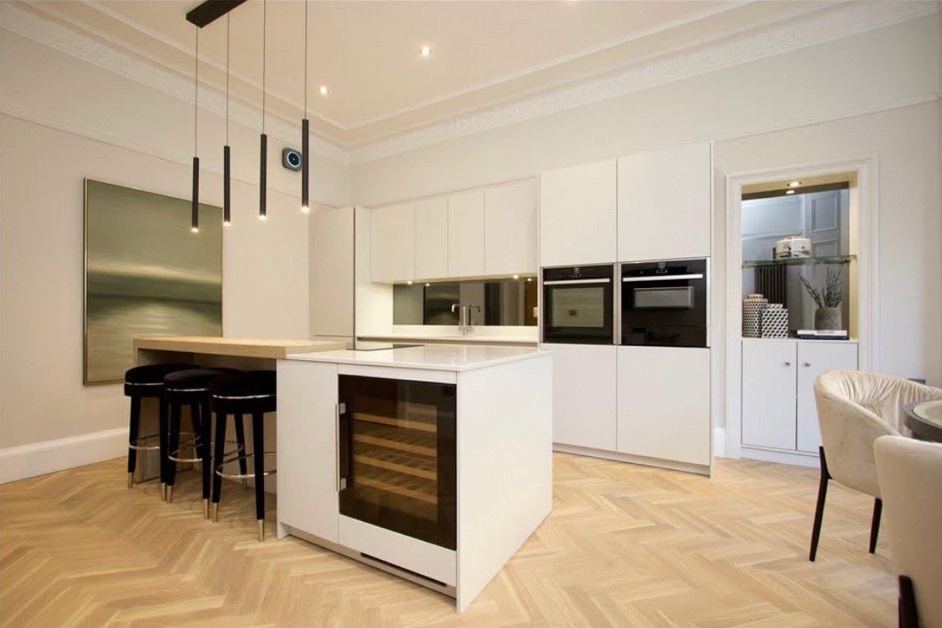
Plastering
Rooms handed back straight, smooth and ready for paint, without weeks of disruption, without dust through the whole house, and without chasing a tradesman who stopped answering.
See this service →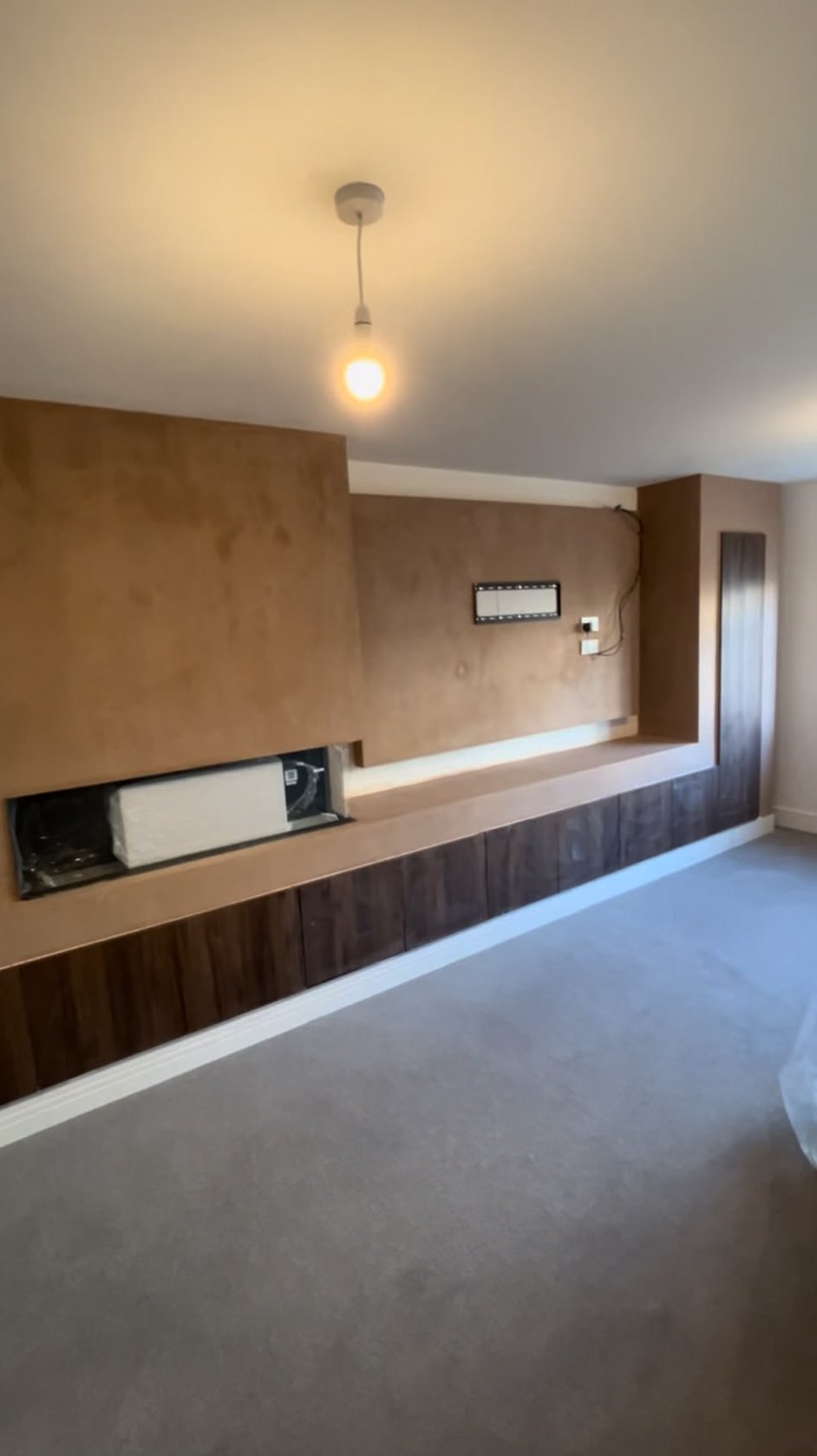
Dry Lining & Dot and Dab
Straight, warm, sound-deadened walls built over what you already have: the quickest way to turn a cold, uneven or unusable surface into a room-ready wall without wet-trade drying times.
See this service →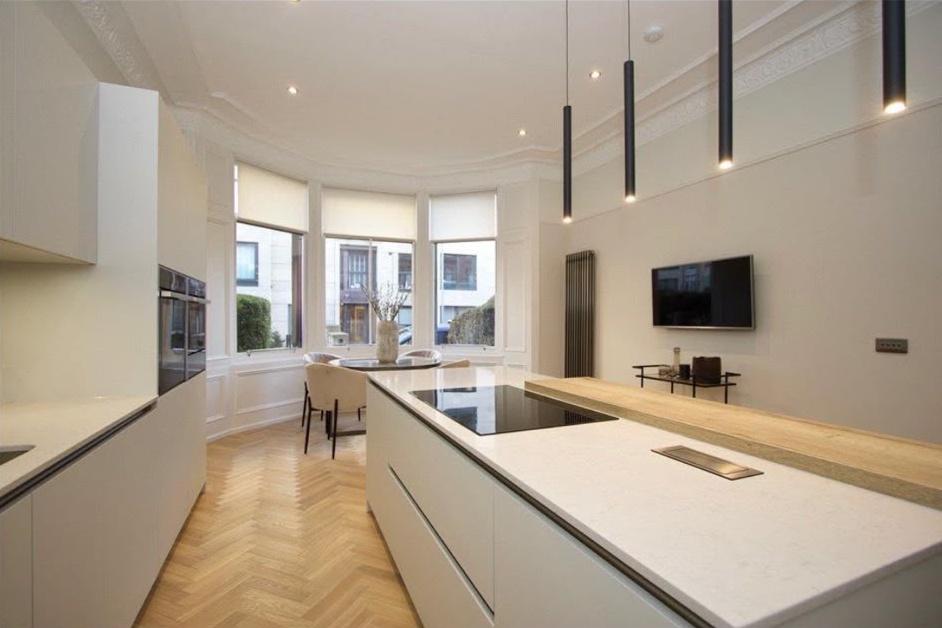
Skimming & Re-Skimming
A thin coat of finish plaster over what you already have: the fastest, least disruptive way to turn a patched, rippled or artexed surface into a wall that looks like it was built yesterday.
See this service →
Full House Refurbishments across the west of Scotland
Covering Glasgow, Paisley, Rutherglen, Bearsden, Clydebank, Bishopbriggs, Cambuslang, Renfrew, Newton Mearns and the surrounding towns. You can also see recent work, read the customer reviews, find out more about Ryan or head back to the homepage.
The Guarantee
What the 1–2 year workmanship guarantee actually covers
Every job carries £1 million public liability cover and a written 1–2 year workmanship guarantee. The terms are set out plainly below, so you know exactly where you stand before any work starts.
Covered
- Adhesion issues, where the plaster fails to bond as it should
- Blistering in the finished surface
- Debonding, commonly called blown plaster
- Plaster coming away from the wall
Not covered
- Structural movement in the building
- Cosmetic settlement cracking
- Shrinkage
- Damp or moisture caused by occupancy, such as a lack of ventilation or drying washing indoors
- Overboarding onto an existing unstable ceiling, which cannot be guaranteed because of the risk of movement behind the new boards
Next Step
One tradesmanfor the whole property
Free quote on a full house or flat refurbishment, usually the same day, with an honest programme and a straight answer on pricing. £1 million public liability cover and a 1–2 year workmanship guarantee.
- 22 years on the trowel, 10 self-employed
- 5-star rated on MyBuilder across 124 reviews
- £1 million public liability cover
- 1–2 year workmanship guarantee on workmanship
Request Your Free Quote
Free, no-obligation quotes, usually turned around the same day.
No obligation. No pressure. Straight answer on price and timings.