
Plastering in Clydebank
Plasterer in ClydebankPost-war housing and flatsbrought back to flat
Clydebank, Dalmuir, Radnor Park, Duntocher and Faifley: walls prepared properly, ceilings made sound, and rooms handed back clean, with a fixed price on smaller jobs so nothing moves halfway through.
5-star rated on MyBuilder (124 reviews)Free quote, usually same day. £1 million public liability and a 1–2 year workmanship guarantee.
22 years
On the trowel, time-served
5★ · 124
Verified MyBuilder reviews
£1 million
Public liability cover
1–2 years
Workmanship guarantee
Same day
Free quote turnaround
Local Coverage
Plastering for Clydebank homes
Clydebank sits west along the river from Glasgow and is covered in full: the town centre and Kilbowie, the tenement and post-war housing at Radnor Park and Whitecrook, Dalmuir and Old Kilpatrick to the west, Drumry and Faifley to the north, and the newer riverside developments built on the old yard and factory land.
The town's housing tells its own history. Large parts of Clydebank were rebuilt after the Blitz, so there is a very high proportion of 1940s to 1960s housing: council-built terraces, four-in-a-block flats and low-rise blocks with hard backing coats, artexed ceilings and walls that have been papered rather than repaired for decades. Alongside that sit surviving pre-war tenements and, increasingly, modern flats on the riverside.
That mix produces a predictable set of jobs. Re-skimming walls after wallpaper removal is the most frequent, followed by ceiling repairs and overboarding, artex removal in post-war housing, and re-plastering after damp has been dealt with, which the town's low, riverside position makes more common than average.
All work is done by Ryan personally: around 22 years on the trowel, roughly 10 of them self-employed, and 5 stars across 124 MyBuilder reviews. No subcontractors, no crews, and no gap between quote and delivery.
Getting to Clydebank
- Clydebank and the surrounding villages are covered as a normal part of the week
- Free quotes, usually turned around the same day you get in touch
- Visits arranged around shift patterns and working hours
- Text updates before the start date so you are not left waiting in
Property types Ryan works on in Clydebank
Post-war council-built housing
Terraces, four-in-a-block flats and low-rise blocks from the 1940s to 1960s. Hard backing coats, artexed ceilings and layers of paper hiding old damage.
Surviving pre-war tenements
Solid walls, lath ceilings and variable suction. These need the background stabilised before any finish coat goes near them.
Duntocher and Faifley family housing
Later 20th-century semis and terraces where the usual work is full re-skims, ceiling repairs and modernising textured finishes.
Riverside and town-centre new builds
Plasterboard throughout, where the finish is about joint treatment, straight bead lines and ceilings that do not shadow under downlighters.
Ex-industrial conversions
Older buildings converted to flats, mixing original masonry with new stud and board in the same room.
What people in Clydebank usually need
Full re-skims after paper removal
Post-war walls that have been papered for decades rarely survive being stripped. A skim is faster and cheaper than filling a whole room.
Artex ceilings modernised
Extremely common across Clydebank's post-war stock: covered or removed, then skimmed to a flat finish.
Damp-affected walls re-plastered
Once the cause has been addressed, the wall needs taking back and finishing properly so the decoration lasts.
Ceiling repairs and overboarding
Cracked and sagging ceilings, and water damage from flats or roofs above.
Landlord and pre-sale work
Flats and houses being turned around between tenancies or before going on the market.
Services In Clydebank
Every service availableto Clydebank homes
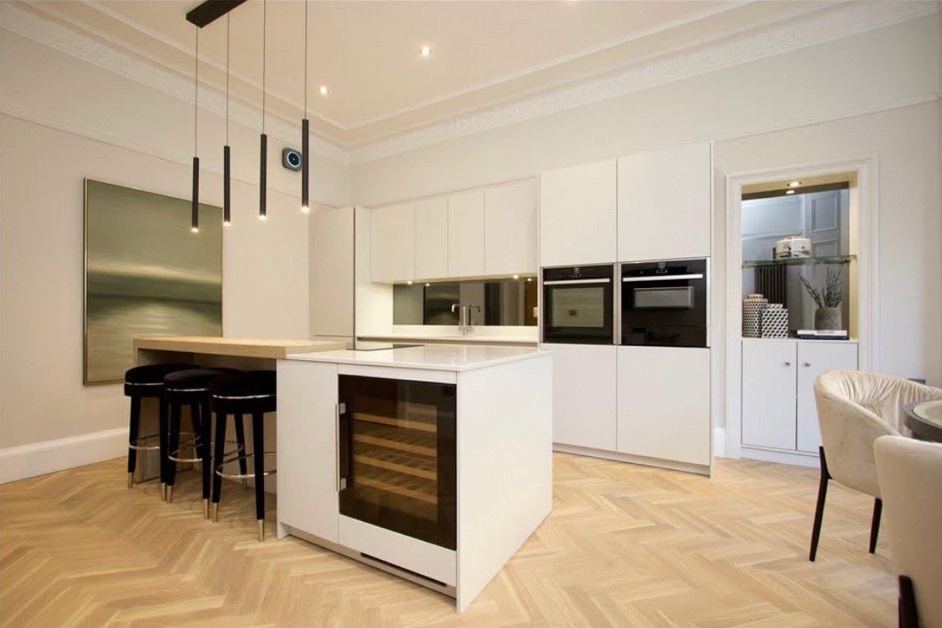
Plastering in Clydebank
Clydebank walls and ceilings finished flat and ready to decorate first time.
See this service →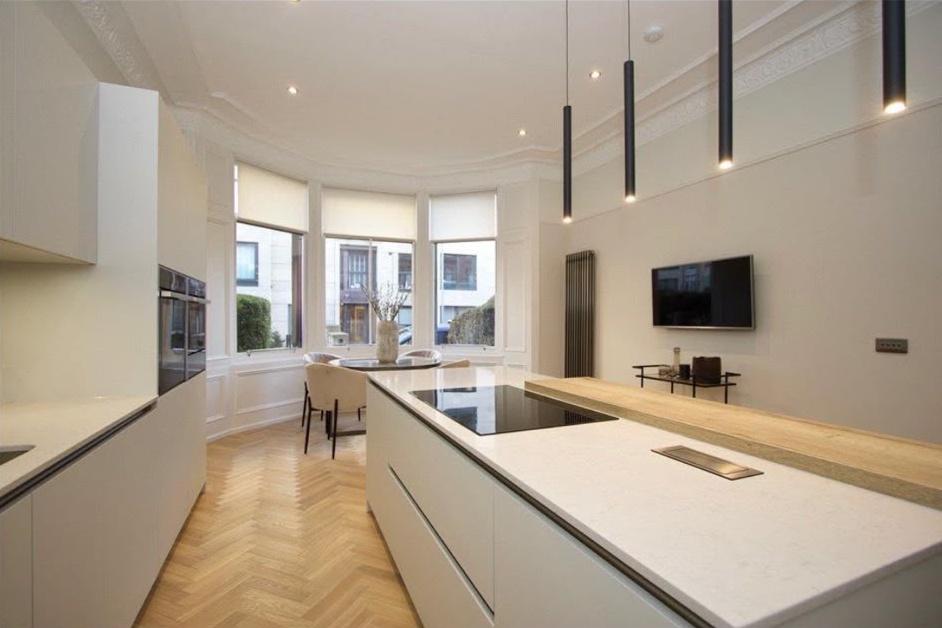
Skimming & Re-Skimming in Clydebank
The main fix for post-war walls stripped back for redecoration.
See this service →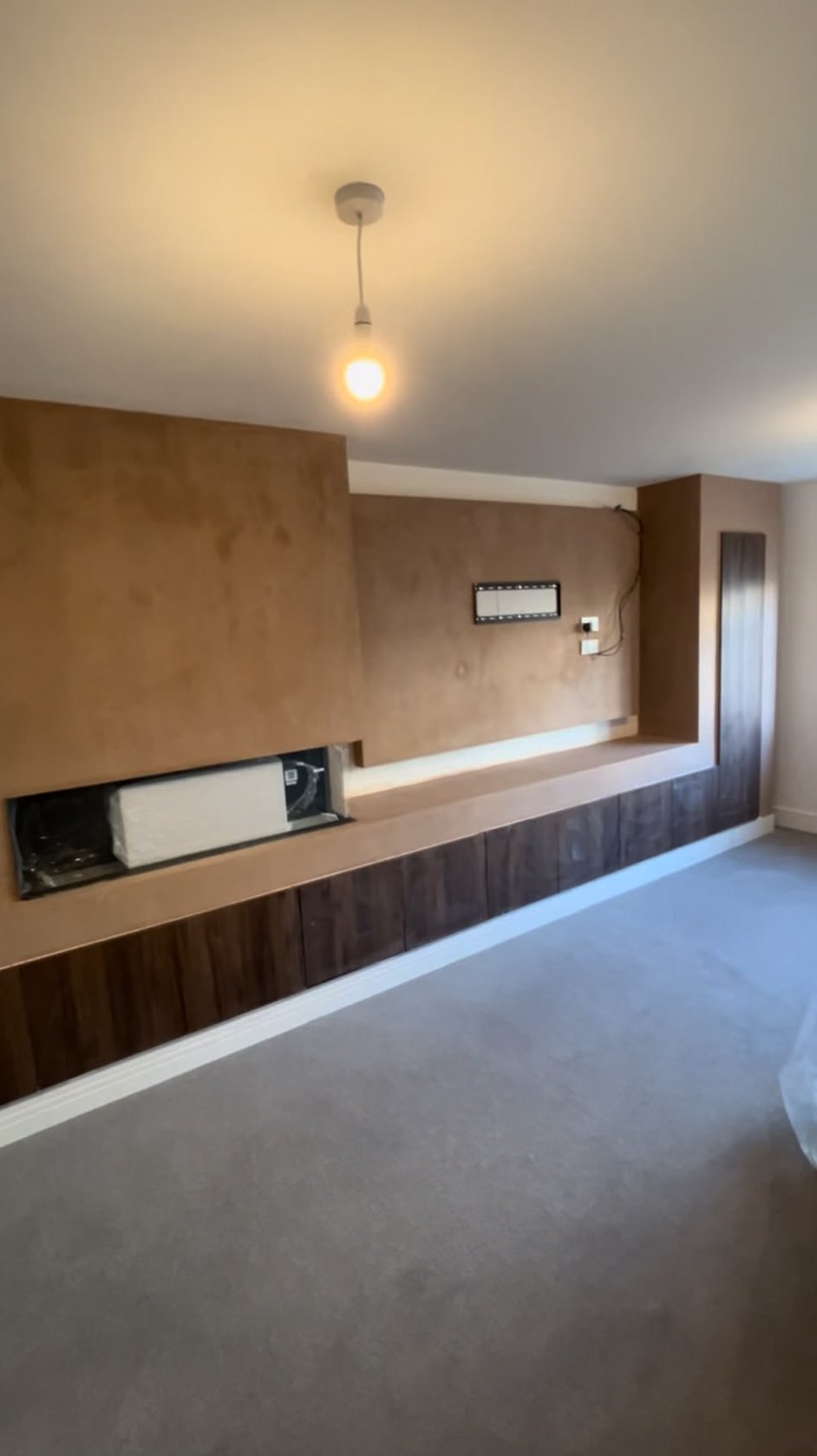
Dry Lining & Dot and Dab in Clydebank
Dot-and-dab and overboarding to warm and straighten cold, uneven solid walls.
See this service →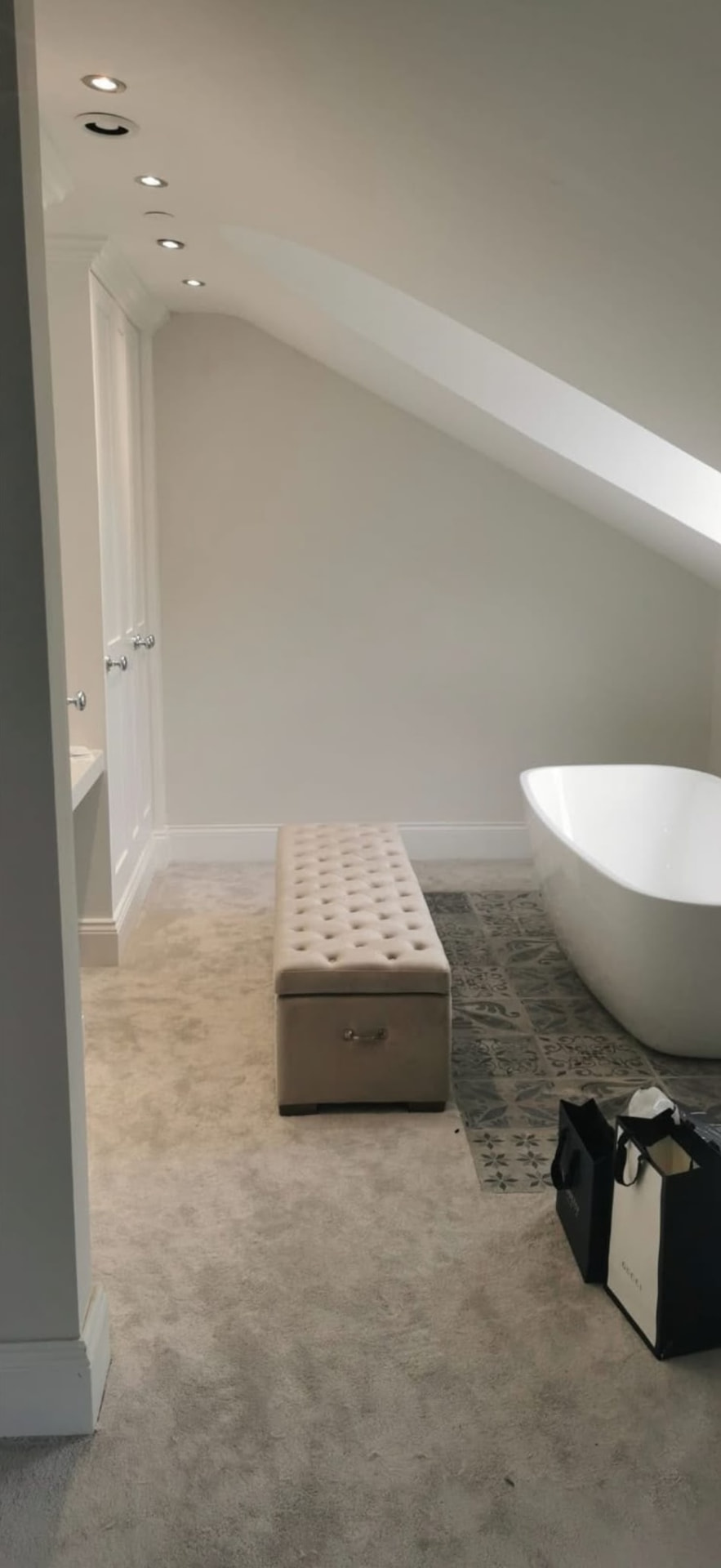
Ceiling Repairs in Clydebank
Sagging, cracked and water-damaged ceilings made sound and seamless.
See this service →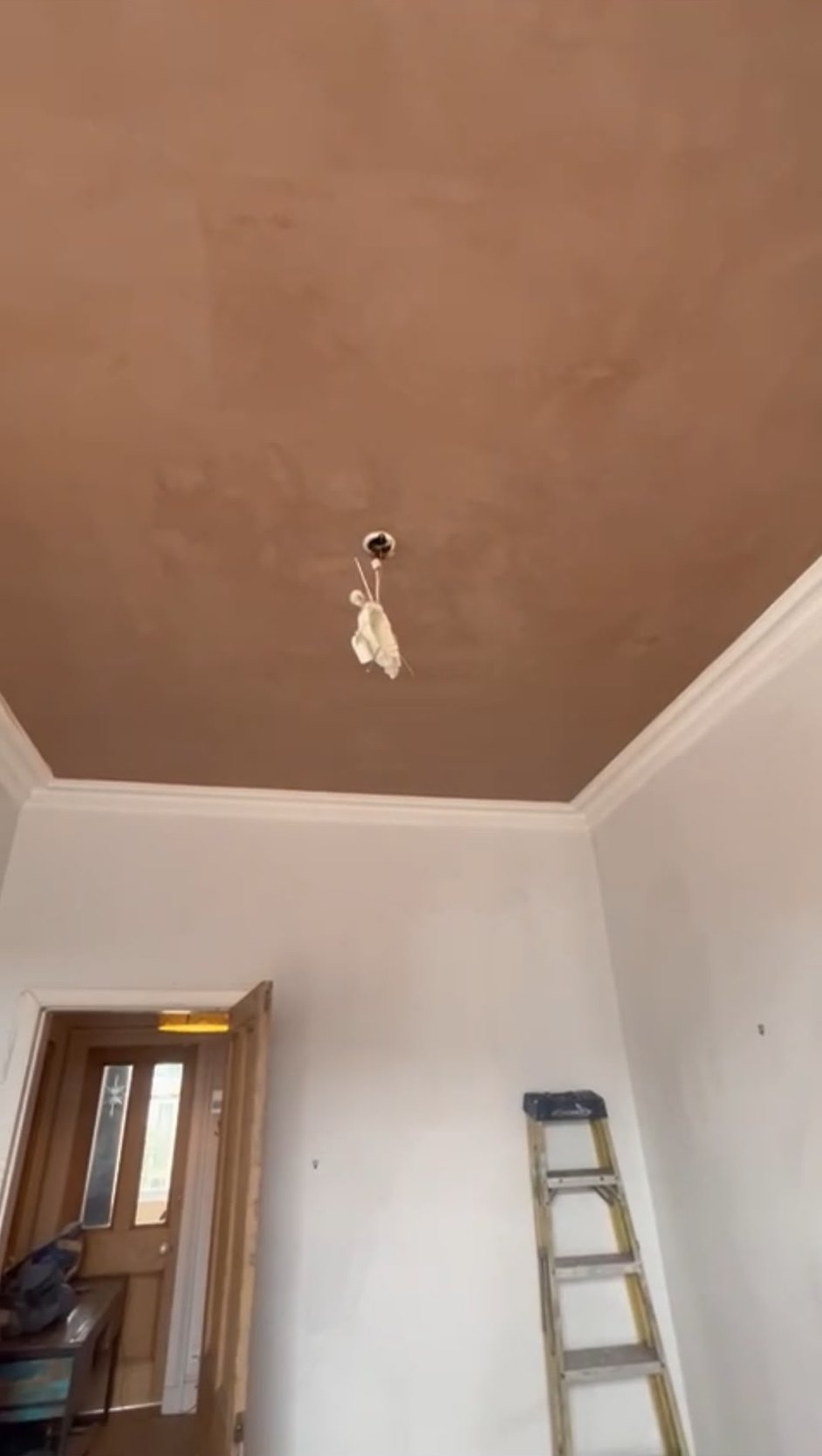
Coving Installation in Clydebank
Coving runs that lift plain post-war rooms without major building work.
See this service →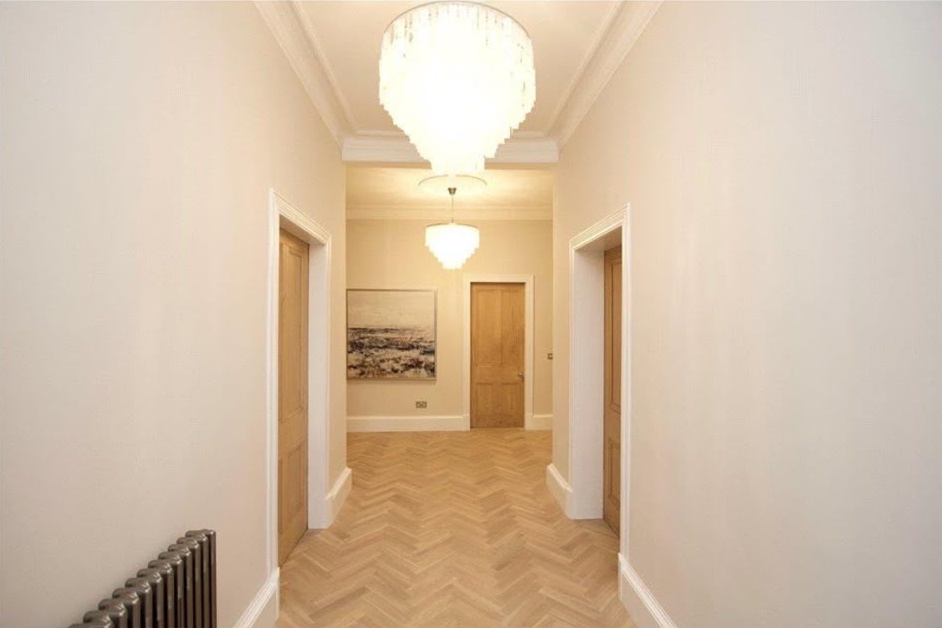
Cornicing in Clydebank
Cornice repaired and matched in the town's surviving older properties.
See this service →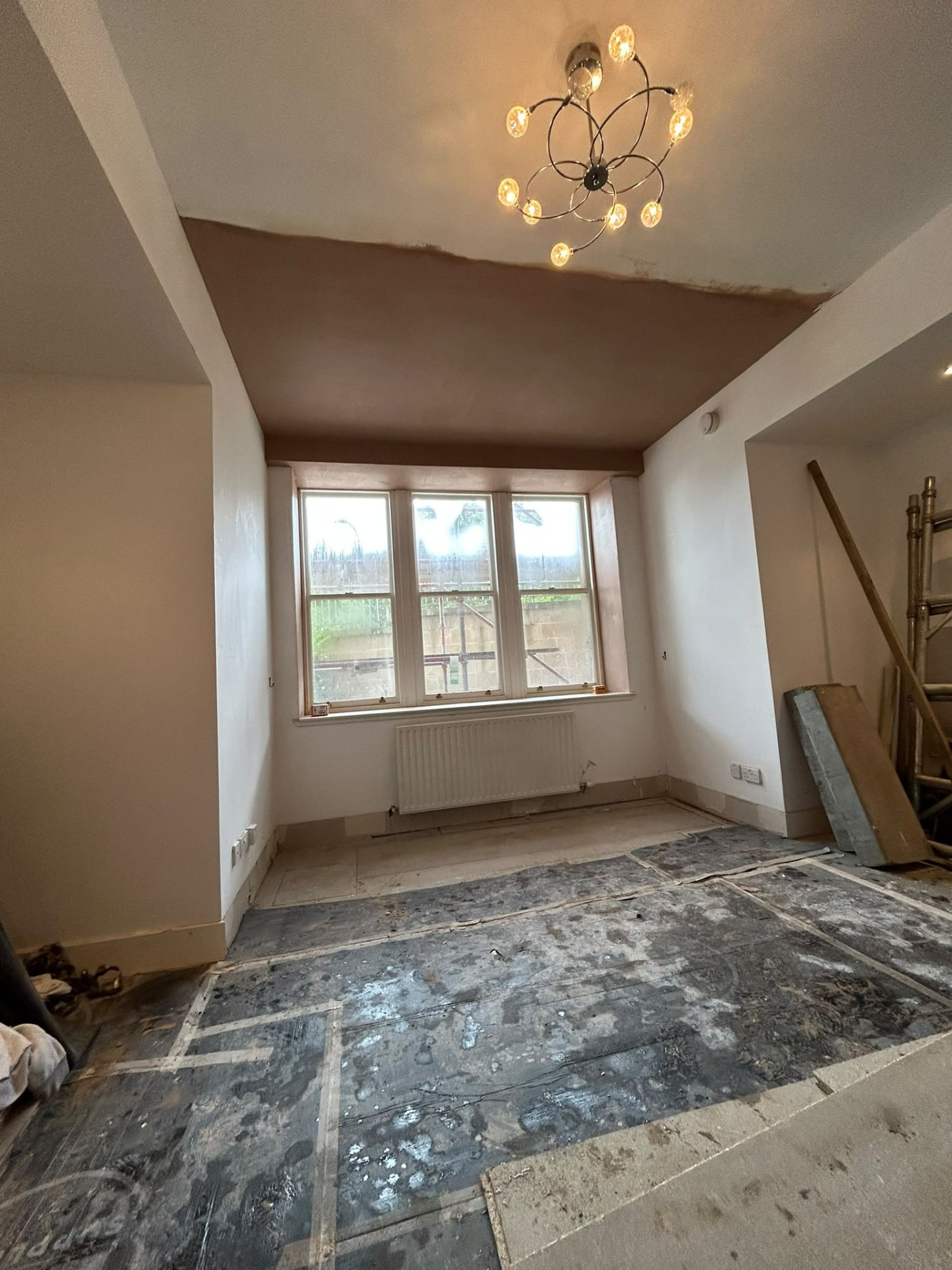
Artex Removal in Clydebank
Textured ceilings across Clydebank's 60s–80s housing brought up to date.
See this service →
Why RGP In Clydebank
Why Clydebank customers call RGP back
The practical reason is pricing you can rely on. Smaller Clydebank jobs are quoted at a fixed price with the scope written out, so the figure agreed on the doorstep is the figure at the end. Larger work runs on a day rate, explained before it starts.
The other reason is that the job gets finished. Ryan works long shifts to complete rather than stringing a job across weeks, keeps in touch by text, and leaves the property swept and clean each evening. That combination, reliability, communication, tidiness, is what the reviews keep coming back to.
22 years on the trowel
Time-served, roughly 10 years of it self-employed and directly accountable.
5 stars across 124 reviews
Verified MyBuilder feedback from domestic customers around Glasgow.
£1 million public liability
Full cover on every job, from a single wall upwards.
1–2 year workmanship guarantee
Adhesion, blistering, debonding and plaster lifting from the wall.
Fixed pricing on smaller jobs
No mid-job surprises and no vague 'from' figures.
Domestic work first
Houses and flats are the priority, though sensible commercial enquiries are welcome.
Local Conditions
What Clydebank walls and ceilings tend to suffer from
Clydebank sits low on the north bank of the Clyde, and that position drives much of what goes wrong indoors. Damp ground, humid river air and long wet spells off the Atlantic mean high moisture loads on external walls, and homes heated in bursts rather than steadily give that moisture somewhere cold to condense.
The building stock adds the second factor. A large proportion of the town was rebuilt quickly in the middle of the last century, using hard cement-rich backing coats and solid construction with limited insulation. Those surfaces are unforgiving, when they blow, they blow in sheets, and when they run cold, the plaster face shows it before anything else does.
Condensation and mould on cold external walls
Black spotting in corners, behind furniture and around window reveals. The wall needs treating and re-plastering, and the ventilation habits need addressing or it comes straight back.
Blown post-war backing coats
Hard, brittle backing that has lost its bond and sounds hollow. It must be cut back to a sound base before new plaster is applied.
Penetrating damp on exposed gables
Driving rain off the river on unprotected elevations forces moisture through solid walls, blistering paint and salting the plaster.
Water damage from above
In flats and low-rise blocks, leaks track along joists and spread far beyond the source. Affected sections need cutting out and making good once dried.
Artex concealing older cracking
Texture applied over ceilings that were already moving. Removing or covering the artex exposes the real repair that was skipped.
Papered-over damage
Decades of wallpaper acting as the structural finish. Strip it and the wall behind needs a complete skim rather than patching.
Our Process
Five steps from first callto a guaranteed finish
- 01
Step 1 – Inspection
Ryan comes to the property himself and looks at the actual rooms: surface condition, suction, damp signs, how sound the existing plaster is and how the light falls across the walls. Quotes are free and, in most cases, back with you the same day.
- 02
Step 2 – Diagnosis and quote
You get a straight explanation of what needs doing and why. Smaller jobs are priced per job at a fixed price so the number cannot move on you; larger projects are priced on a day rate. No 'from' prices, no pressure to decide on the doorstep.
- 03
Step 3 – Protection and preparation
Floors, carpets and fittings are sheeted before anything starts. Loose and blown material is taken back to a sound base, backgrounds are sealed or bonded to suit their suction, and beads and angles are fixed straight before any finish goes on.
- 04
Step 4 – The work itself
Plaster is applied in coats and worked as it sets, with angles, reveals and arrises cut sharp. The finish is polished up on the trowel so the surface comes off flat, rather than being sanded into shape afterwards.
- 05
Step 5 – Check, clean and guarantee
Finished surfaces are checked under a light for shadows and hollows, waste is bagged and removed, the room is swept out, and the work carries a 1–2 year workmanship guarantee with clear advice on drying times before you decorate.
Questions, Answered Straight
Plastering in Clydebank- the things people ask
Do you serve Clydebank?
Yes. Clydebank is fully covered, including Kilbowie, Radnor Park, Whitecrook, Dalmuir, Drumry, Duntocher, Faifley and Old Kilpatrick.
How fast can you reach Clydebank?
Clydebank is a straightforward run and is covered as part of the normal working week. Quotes are free and usually turned around the same day you get in touch, with an honest start date rather than an optimistic one.
What does plastering cost in Clydebank?
Smaller jobs are priced per job at a fixed price, agreed before work starts and with the scope written out. Larger projects are priced on a day rate. No 'from' prices are published, because the condition of the background changes the work involved more than the room size does.
Do you handle emergency work in Clydebank?
There is no formal emergency callout, but urgent domestic jobs, a ceiling down after a leak, or a property that has to be ready for a date, are fitted in where the diary allows.
Can you re-plaster a wall after damp has been treated?
Yes, and it is common work in Clydebank given the town's low riverside position. The affected plaster is removed, the wall is prepared appropriately and then re-plastered to a clean finish. Note that damp caused by ventilation and drying habits is not covered by the workmanship guarantee.
Do you remove artex ceilings?
Regularly, it is one of the most requested jobs in the town's post-war housing. Depending on the ceiling's condition, the texture is either covered and skimmed or taken back before skimming.
Are you insured and is the work guaranteed?
Yes: £1 million public liability cover and a 1–2 year workmanship guarantee covering adhesion, blistering, debonding and plaster coming away from the wall. Structural movement, settlement cracks, shrinkage and ventilation-related damp are excluded.
How much disruption should I expect?
Usually less than people fear. Floors and fittings are sheeted before work starts, waste is bagged as it is produced and rooms are swept out at the end of each day. Single rooms are often a one to two day job.
When can I paint the new plaster?
Only once it has dried fully: a few days to a couple of weeks depending on the room, the season and the ventilation, and often at the longer end in damp riverside properties. Use a thinned mist coat first to avoid trapping moisture.
Which nearby areas do you also cover?
Bearsden, Renfrew, Glasgow and the rest of the service area, including Paisley, Bishopbriggs, Rutherglen, Cambuslang and Newton Mearns.
Nearby Areas
Also covered close to Clydebank
Plasterer in Bearsden
Free quote, usually same day. One time-served tradesman, no subcontractors, house left clean.
See this area →Plasterer in Renfrew
Free quote, usually same day. One tradesman, start to finish, with the house left swept.
See this area →Plasterer in Glasgow
Free quote, usually the same day. Fixed price on smaller jobs so the number cannot move.
See this area →Plasterer in Paisley
Free quote, usually the same day. One tradesman from first call to final trowel pass.
See this area →
Regional coverage from a Glasgow base
Clydebank is part of a wider service area covering Glasgow and the towns around it. You can see every plastering service, browse the full list of areas covered, look through recent work, read the customer reviews, find out more about Ryan, head back to the homepage or go straight to the contact page.
The Guarantee
What the 1–2 year workmanship guarantee actually covers
Every job carries £1 million public liability cover and a written 1–2 year workmanship guarantee. The terms are set out plainly below, so you know exactly where you stand before any work starts.
Covered
- Adhesion issues, where the plaster fails to bond as it should
- Blistering in the finished surface
- Debonding, commonly called blown plaster
- Plaster coming away from the wall
Not covered
- Structural movement in the building
- Cosmetic settlement cracking
- Shrinkage
- Damp or moisture caused by occupancy, such as a lack of ventilation or drying washing indoors
- Overboarding onto an existing unstable ceiling, which cannot be guaranteed because of the risk of movement behind the new boards
Next Step
Get your Clydebankplastering quotefixed before work starts
Tell Ryan what state the walls or ceilings are in and what you want them to look like. You will get a straight diagnosis, a price that will not move on smaller jobs, and a property left clean at the end of each day.
- 22 years on the trowel, 10 self-employed
- 5-star rated on MyBuilder across 124 reviews
- £1 million public liability cover
- 1–2 year workmanship guarantee on workmanship
Request Your Free Quote
Free, no-obligation quotes, usually turned around the same day.
No obligation. No pressure. Straight answer on price and timings.