Dry Lining and Dot and Dab in Glasgow
Dry lining in GlasgowPlasterboard cut tightand set dead true
Straight, warm, sound-deadened walls built over what you already have: the quickest way to turn a cold, uneven or unusable surface into a room-ready wall without wet-trade drying times.
5-star rated on MyBuilder (124 reviews)Free quotes, usually same day
22 years
On the trowel, time-served
5★ · 124
Verified MyBuilder reviews
£1 million
Public liability cover
1–2 years
Workmanship guarantee
Same day
Free quote turnaround
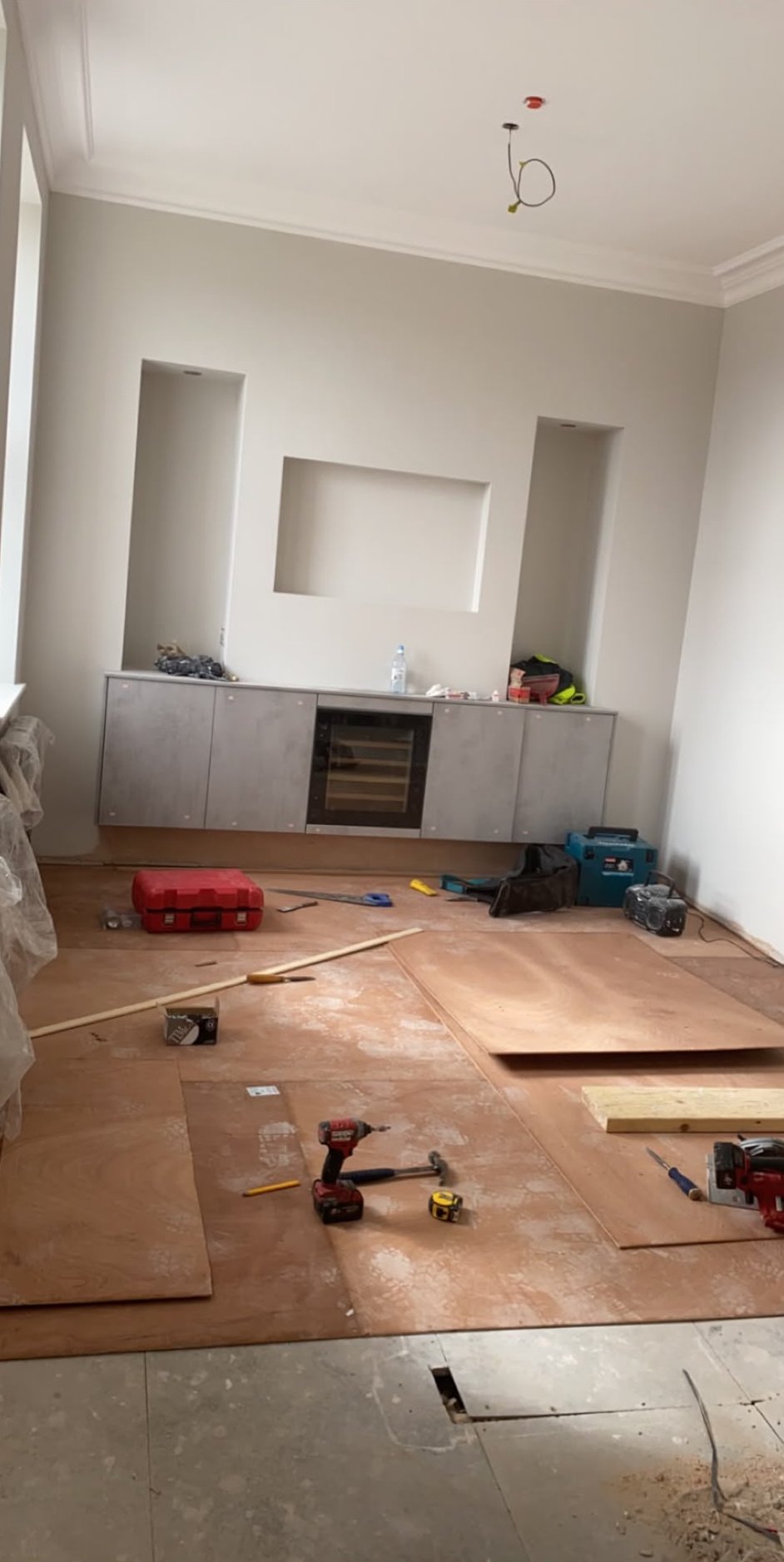
Service Overview
What dry lining does that plaster alone cannot
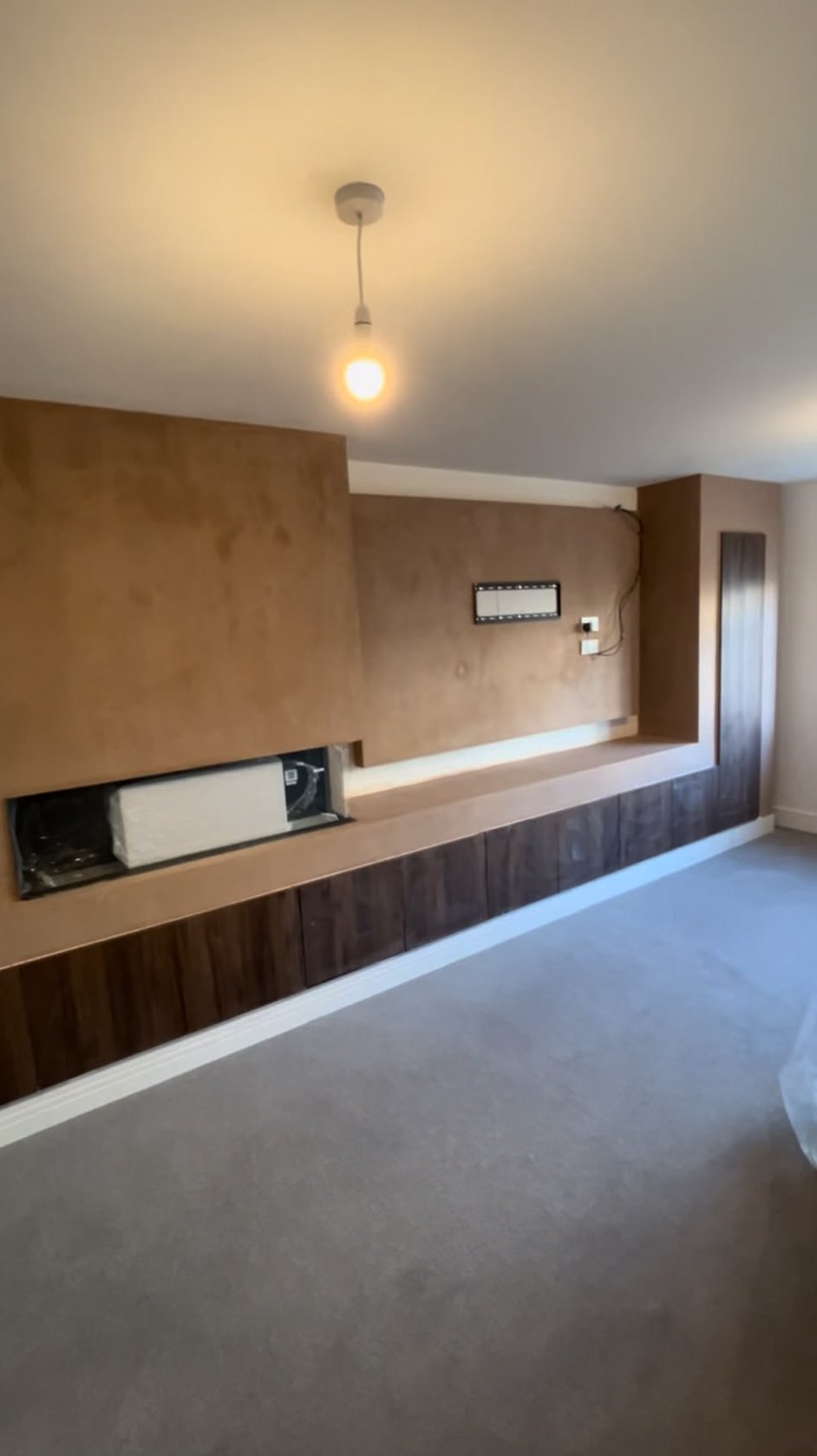
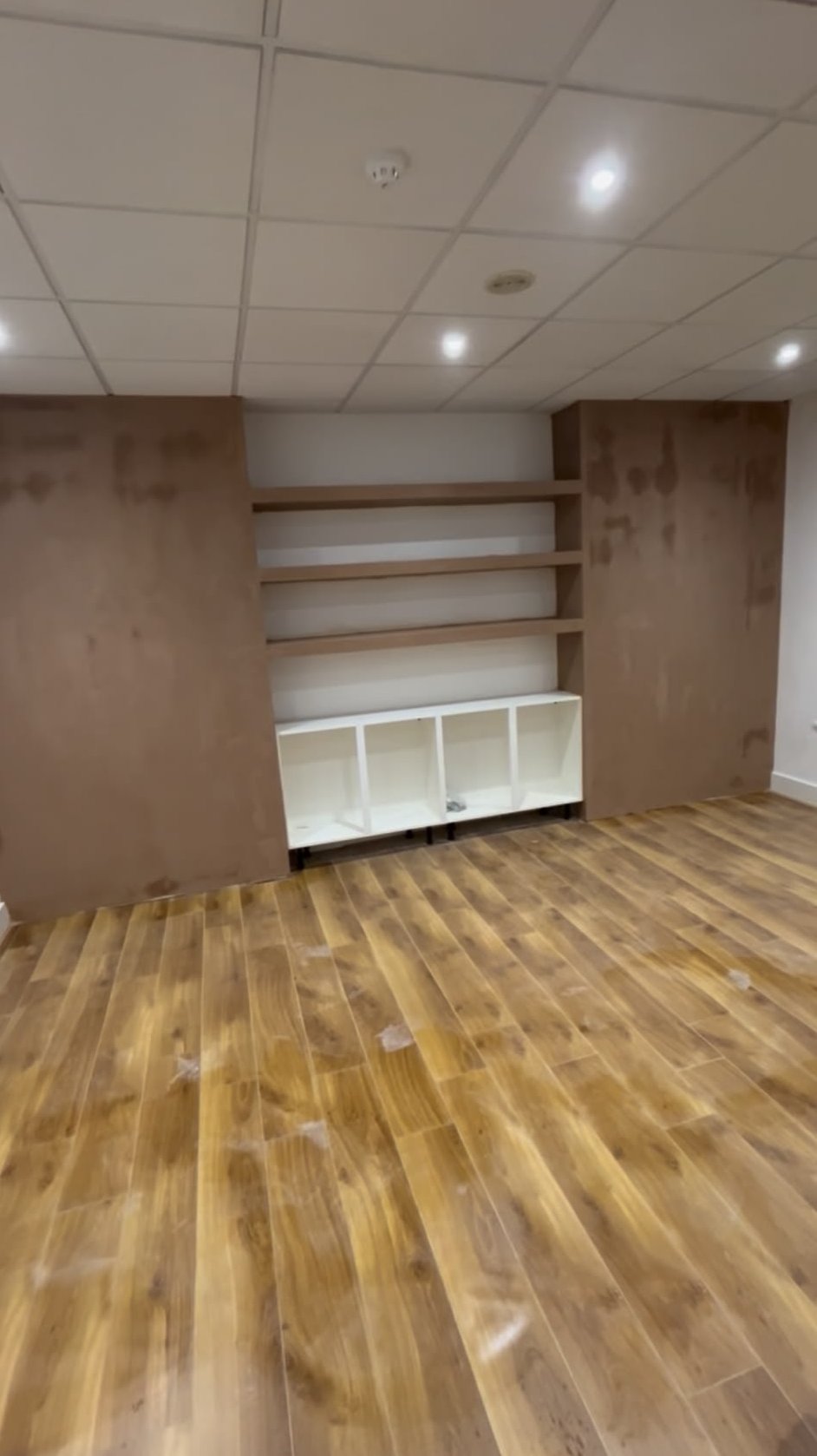
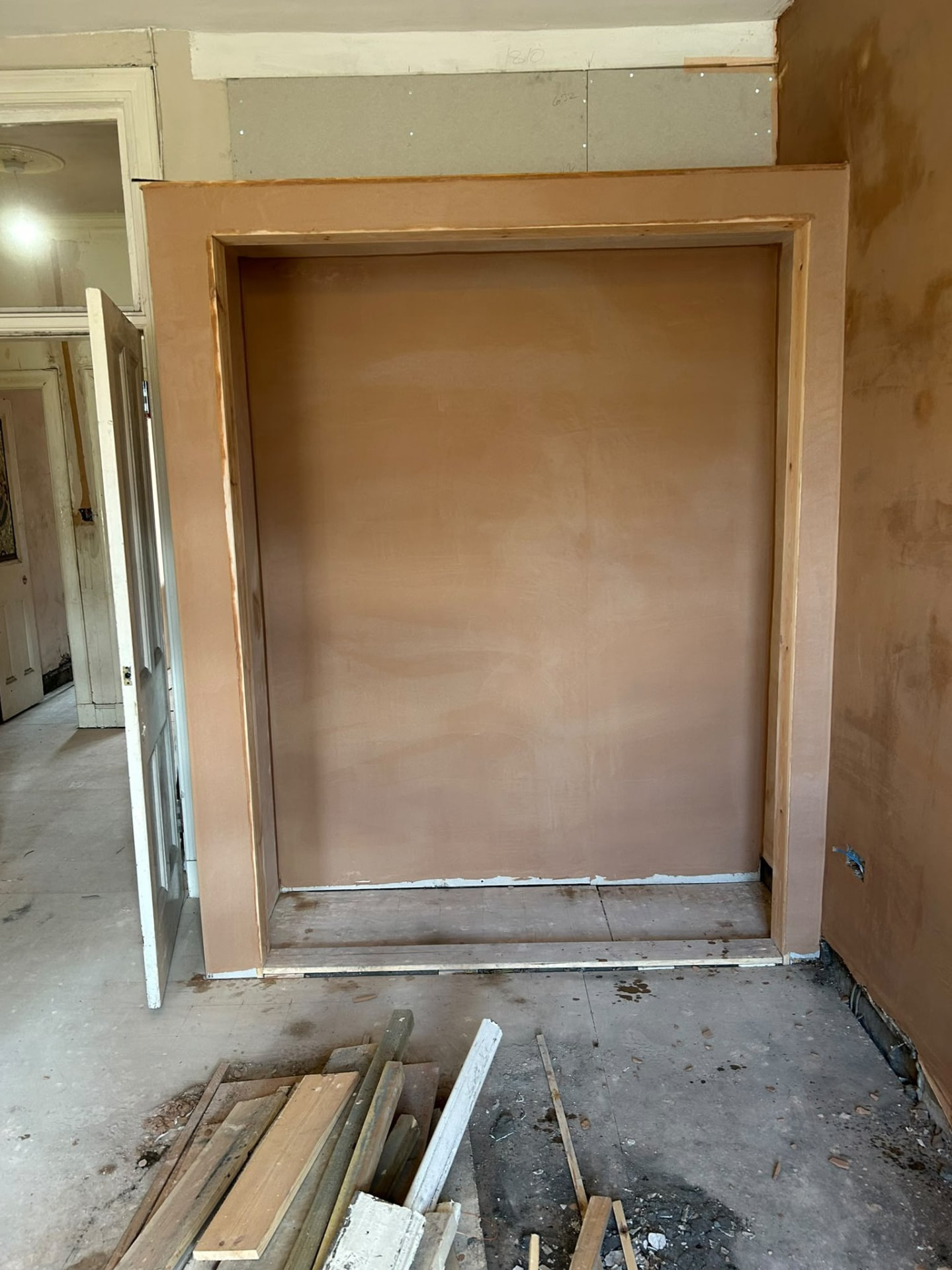
Dry lining means fixing plasterboard to a wall or ceiling rather than building the surface up in wet plaster. It is used to line solid walls, to build new stud partitions, to cover surfaces that are too far out of true to level economically, and to give ceilings and walls a fresh, flat base before a skim coat.
It solves problems plaster on its own cannot. A solid Glasgow gable wall that runs badly out of plumb can be brought back to a plane with boards rather than fifty millimetres of undercoat. A room that needs insulation gets thermal laminate boards. A ceiling that has failed can be overboarded rather than pulled down.
The board work is the part that decides how the finish looks. Boards cut tight to the opening, staggered joints, correct fixing centres, edges landing on solid support, and services planned before the wall closes up. Every one of those is invisible when it is right and permanent when it is wrong.
In almost every case the boards are then skimmed to a smooth plaster finish, so you get the speed of dry lining with the finish quality of traditional plastering.
Who it is for
- Homeowners with cold, uneven or damp-prone solid walls
- Anyone converting a loft, garage or box room
- People creating a new partition to split or reconfigure a room
- Landlords and buyers dealing with failed ceilings that need overboarding
When it is needed
- A wall is too far out of plumb to level in plaster alone
- You want insulation added without losing the room to wet trades
- A stud partition is needed to split a space or form a new room
- An existing ceiling is cracked or sagging and needs a new surface
- Sound transfer between rooms or flats needs reducing
The Cost Of Waiting
The cost of board work done badly
Poor dry lining shows up as cracking. Joints that were not staggered, boards fixed at the wrong centres, or edges that land on fresh air all flex slightly, and every millimetre of flex puts a hairline through the skim above it. Those cracks come back no matter how many times they are filled, because the cause is behind the surface.
The second failure is fixings. If nobody noted where the studs, noggins or dabs are, hanging a television, a radiator or a wall unit becomes guesswork. People discover this the expensive way, with a bracket that pulls out and takes a piece of board with it.
Then there is what gets sealed in. Cables and pipes not properly planned, boards dabbed straight onto a damp wall, or gaps left at the perimeter that let sound and draughts straight through. Opening a finished wall up again costs several times what doing it right the first time would have.
Common mistakes that make it worse
Dot and dab onto a damp wall
Adhesive dabs on a wall with a moisture problem trap the damp behind the board. The problem does not go away, it just becomes invisible until it stains through.
Using the wrong board for the room
Standard board in a bathroom, or in a fire-critical location, is a false economy. Moisture-resistant, fire-rated and acoustic boards each exist for a reason.
Butting board joints without scrim
Every joint needs taping. Skimming over an untaped joint is the single most common cause of long, straight hairline cracks appearing months later.
Overboarding an unstable ceiling
Fixing new boards to a ceiling that is already moving simply adds weight to a failing structure. Ryan will not guarantee overboarding onto unstable ceilings, precisely because of that risk.
Our Process
Five steps from first callto a guaranteed finish
- 01
Step 1 – Inspection
Walls checked for plumb, moisture and stability, ceilings checked for movement, and existing services traced so nothing is boarded over that should not be.
- 02
Step 2 – Diagnosis and quote
A clear recommendation, dot and dab, timber or metal stud, or overboarding, with the board type specified, plus a fixed price on smaller jobs or a day rate on larger ones. Free and usually same-day.
- 03
Step 3 – Framing and board fixing
Floors sheeted, frames set plumb and level or dabs applied evenly, boards cut tight and staggered, fixings at correct centres, and openings, reveals and service runs formed properly.
- 04
Step 4 – Jointing and skim finish
Joints scrimmed, internal and external angles beaded, then the boards skimmed in finish plaster and troweled up flat, ready to decorate.
- 05
Step 5 – Verification, clean-up and guarantee
Surfaces checked for flatness and shadow, offcuts and waste removed, room swept, and workmanship guaranteed for 1–2 years, with the honest exception of overboarding onto pre-existing unstable ceilings.
What You Get
The difference it makes,stated plainly
Straight walls without weeks of wet trade
Boards level a wall in hours where thick undercoat plaster would take days and weeks of drying.
Warmer rooms
Insulated laminate boards cut heat loss through cold solid walls, which shows up on the heating bill in a Glasgow winter.
Quieter rooms
Acoustic board and correctly detailed partitions reduce sound transfer between rooms, flats and stairwells.
Crack-resistant by design
Staggered joints, correct fixing centres and scrimmed joints stop the hairline cracking that plagues rushed board work.
Faster route back to decorating
A dry-lined and skimmed wall carries far less moisture than a fully re-plastered one, so it is paint-ready sooner.
Insured and guaranteed
£1 million public liability cover and a 1–2 year workmanship guarantee on the work carried out.
In Detail
Methods, boards and where each one belongs
There are three routes to a dry-lined surface and they are not interchangeable. Dot and dab bonds boards directly to a sound masonry wall with adhesive: fast, minimal loss of floor space, and ideal where the wall is reasonably true and dry. Timber or metal stud framing carries the boards on a frame, which is the right choice where the wall is badly out of plumb, where insulation or a service void is needed, or where a new partition is being built. Overboarding fixes fresh boards over an existing ceiling or wall to give a new, sound surface without the mess of pulling the old one down.
Board specification matters as much as method. Standard wallboard covers most rooms; moisture-resistant board belongs in bathrooms, shower rooms and utility areas; fire-rated board is used where compartmentation demands it, such as ceilings under a loft conversion; acoustic and higher-density boards reduce sound transfer in flats and between bedrooms; thermal laminate boards combine insulation and board in one fix for cold external walls. Thickness follows the frame centres; thinner board on tight centres, thicker board where spans are wider.
The detailing is what separates a wall that lasts from one that cracks. Joints are staggered so no continuous line runs through the wall, board edges land on solid timber or steel, fixings are set just below the paper face without breaking it, perimeter gaps are controlled, and angle beads protect every external corner. Where a wall will carry a television, radiator, wall unit or grab rail, noggins or pattress boards go in before the board does, because retrofitting a fixing into hollow board is a compromise every time.
Materials used
Standard plasterboard
General-purpose wallboard for walls and ceilings in dry rooms, typically 12.5mm on standard centres.
Moisture-resistant and fire-rated board
MR board for bathrooms and utilities; fire-rated board where the ceiling or partition needs a fire performance.
Thermal and acoustic laminates
Insulation-backed boards for cold external walls; denser acoustic boards where sound transfer is the issue.
Metal and timber framing, adhesive and fixings
Track and stud or CLS framing, drywall adhesive for dot and dab, plus drywall screws, scrim tape and angle beads.
Variations of the work
Dot and dab lining
Boards bonded to sound masonry: the quickest way to get a flat, decorable surface on a solid wall.
Stud partitions
New timber or metal stud walls to split rooms, form an en-suite, close off a hallway or create a home office.
Overboarding ceilings and walls
New boards fixed over an existing surface to avoid a full strip-out, subject to the existing structure being sound.
Insulated dry lining
Thermal laminate boards on cold external and gable walls, improving comfort and reducing heat loss.
Where this work typically applies
- Loft and garage conversions needing full board-out and skim
- Cold gable and external walls in tenement and semi-detached homes
- New partitions for en-suites, box rooms and home offices
- Ceilings being overboarded rather than pulled down
- Bathrooms and utility rooms needing moisture-resistant board
- Flats where sound transfer between rooms needs reducing
Domestic work is the priority: single rooms through to full house and flat refurbishments. Larger commercial contracts are not the focus, so your job is not queued behind a site.
Questions, Answered Straight
Dry Lining & Dot and Dab in Glasgow- the things people ask
How much does dry lining cost in Glasgow?
It depends on method, board specification and access. Smaller jobs, a single wall, a small stud partition, one ceiling overboarded, are quoted at a fixed price. Larger board-outs, such as a loft conversion or a full flat, are usually day rate. Quotes are free and normally back the same day.
Should I dot and dab or use a stud frame?
Dot and dab is faster and loses less floor space, and it suits a sound, dry, reasonably true masonry wall. A stud frame is better when the wall is badly out of plumb, when insulation or a service void is needed, or when you are building a new partition rather than lining an existing wall.
How long does dry lining take?
A single wall is often a day, including skim. A stud partition with boarding and skim is typically one to two days. A full loft conversion board-out runs longer. You get the realistic timescale in the quote.
Can you dry line over a damp wall?
Not until the moisture source is dealt with. Boarding over damp hides it rather than fixing it, and it will eventually show through the new finish. If damp is present you will be told, and the right sequence of work explained.
Will the new wall take a television or radiator?
Yes, if it is planned. Tell Ryan before the boards go on and noggins or pattress boards go in at the right positions, so brackets fix into solid timber rather than hollow board.
Do the boards get plastered afterwards?
In almost every case, yes: joints scrimmed, angles beaded, then a full skim in finish plaster and troweled up flat. That is what gives a dry-lined wall the same finish as a traditionally plastered one.
Is dry lining guaranteed?
The workmanship carries a 1 to 2 year guarantee. The one honest exception is overboarding onto an existing unstable ceiling, that cannot be guaranteed, because the risk of movement lies behind the new boards rather than in the new work.
How much room will I lose?
Dot and dab typically loses around 35–40mm off the wall face including the skim; a stud frame or insulated laminate takes more, depending on frame depth and board thickness. Ryan will tell you the actual figure for your wall before you commit.
Is it messier than plastering?
It produces offcuts and some cutting dust rather than wet waste. Floors and fittings are sheeted, offcuts are bagged and removed, and the room is swept out at the end of each day.
What is the difference between dot and dab and dry lining?
Dot and dab is one method of dry lining, where board is bonded straight onto masonry with adhesive. The alternative is fixing board to a timber or metal frame, used where a wall is very uneven or needs a service void behind it.
Does dot and dab sound hollow?
There is always a small void behind board fixed this way, but a properly dabbed wall is solid and well supported. Large drummy areas are a sign of poor dab coverage, not of the method itself.
Which areas do you cover for dry lining?
Glasgow and the surrounding towns including Paisley, Rutherglen, Bearsden, Clydebank, Bishopbriggs, Cambuslang, Renfrew and Newton Mearns.
Related Work
Often done at the same time
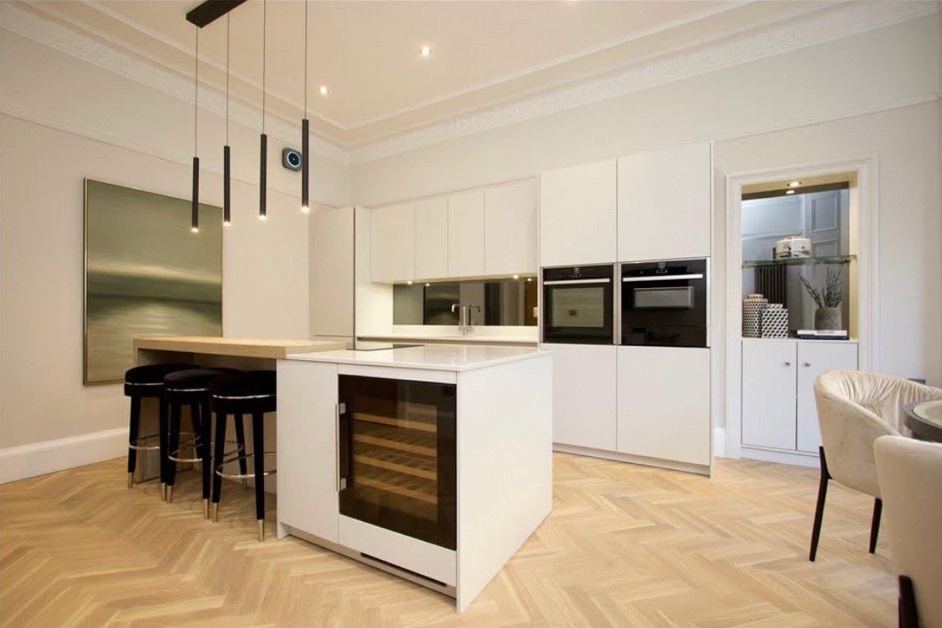
Plastering
Rooms handed back straight, smooth and ready for paint, without weeks of disruption, without dust through the whole house, and without chasing a tradesman who stopped answering.
See this service →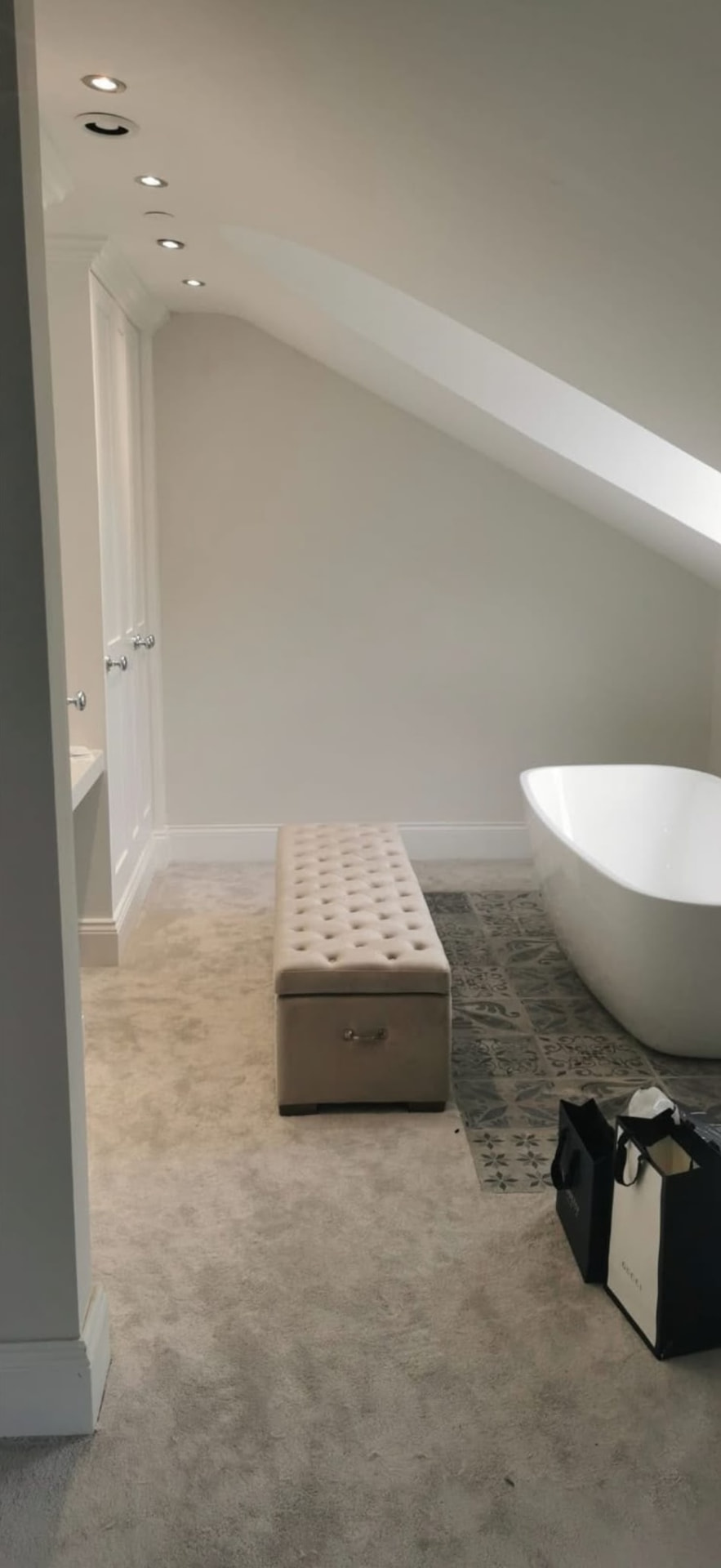
Ceiling Repairs
A ceiling that is coming away is not a decorating job. It gets stabilised, repaired and skimmed back to a single seamless surface, so you stop watching it and start forgetting about it.
See this service →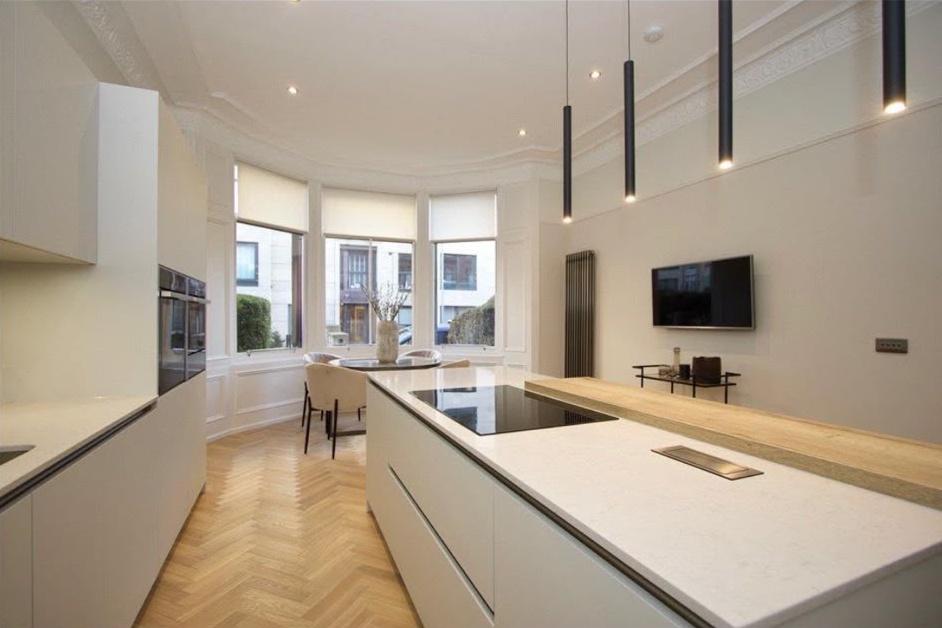
Skimming & Re-Skimming
A thin coat of finish plaster over what you already have: the fastest, least disruptive way to turn a patched, rippled or artexed surface into a wall that looks like it was built yesterday.
See this service →
Dry Lining & Dot and Dab across the west of Scotland
Covering Glasgow, Paisley, Rutherglen, Bearsden, Clydebank, Bishopbriggs, Cambuslang, Renfrew, Newton Mearns and the surrounding towns. You can also see recent work, read the customer reviews, find out more about Ryan or head back to the homepage.
The Guarantee
What the 1–2 year workmanship guarantee actually covers
Every job carries £1 million public liability cover and a written 1–2 year workmanship guarantee. The terms are set out plainly below, so you know exactly where you stand before any work starts.
Covered
- Adhesion issues, where the plaster fails to bond as it should
- Blistering in the finished surface
- Debonding, commonly called blown plaster
- Plaster coming away from the wall
Not covered
- Structural movement in the building
- Cosmetic settlement cracking
- Shrinkage
- Damp or moisture caused by occupancy, such as a lack of ventilation or drying washing indoors
- Overboarding onto an existing unstable ceiling, which cannot be guaranteed because of the risk of movement behind the new boards
Next Step
Straight, warm, quiet walls- boarded and skimmed
Tell Ryan what the room needs and get a free quote back, usually the same day. £1 million public liability cover and a 1–2 year workmanship guarantee.
- 22 years on the trowel, 10 self-employed
- 5-star rated on MyBuilder across 124 reviews
- £1 million public liability cover
- 1–2 year workmanship guarantee on workmanship
Request Your Free Quote
Free, no-obligation quotes, usually turned around the same day.
No obligation. No pressure. Straight answer on price and timings.